Understanding the Allure of Casinos
Casinos are designed to engage the senses and incite thrill among their visitors. The combination of flashing lights, enticing sounds, and luxurious environments often creates an irresistible allure for those seeking entertainment. However, beyond the exhilarating atmosphere lies a world of hidden costs that many individuals overlook, especially when considering a casino rocket sign up that might seem appealing but can lead to unexpected expenses. Gamblers often focus solely on the excitement of potential winnings, neglecting to account for various expenses that can accumulate during their visits.
The ambiance of a casino is carefully curated to encourage guests to spend more time—and money—on the gaming floor. Free drinks and enticing promotions can lure patrons into the casino, leading them to believe they’re getting a great deal. Yet, these “freebies” often come with strings attached, such as the pressure to gamble more as a means of justifying the expense of the drink. This psychological strategy adds to the hidden costs visitors may not consider when planning a night out.
Moreover, casinos often promote generous loyalty programs that entice players to spend more in pursuit of accumulating points or rewards. While these programs can offer tangible benefits, they can also encourage excessive spending, trapping individuals in a cycle of trying to win back their losses. Understanding the allure of casinos is the first step in recognizing the hidden costs associated with gambling outings.
The Direct Costs of Gambling
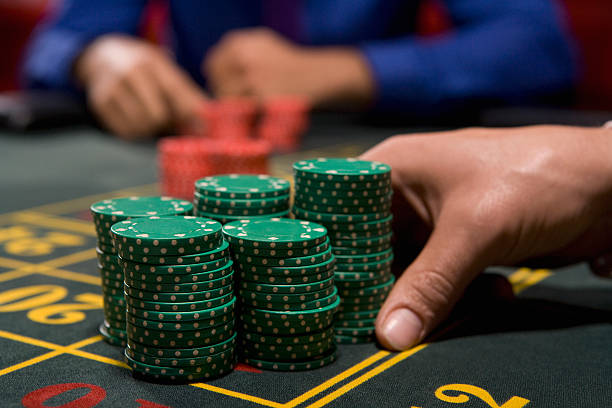
When visiting a casino, direct costs primarily stem from the money spent at gaming tables and machines. Players usually have a budget in mind, but the excitement can quickly cloud judgment, leading to overspending. The thrill of a potential win often compels individuals to gamble more than they initially intended, resulting in financial strain that was not anticipated prior to visiting.
Additionally, the selection of games available can influence how much money is spent. Table games typically have higher minimum bets than slot machines, and players may feel pressured to join in on the action, especially if seated at a lively table. For example, a group of friends may decide to play together, resulting in each person wagering more than they intended due to the group dynamic. This can lead to collective spending that exceeds individual budgets.

Furthermore, it’s important to factor in the costs associated with continuous play. Players may overlook how quickly bets can add up, particularly with fast-paced games. This leads to the unfortunate reality that many gamblers leave without a clear understanding of how much they’ve spent. The thrill of chasing a losing streak can obscure the financial realities of the experience, leading to significant losses that linger long after the gaming session is over.
Travel and Accommodation Expenses
Planning a visit to a casino often involves additional costs related to travel and accommodation. Whether opting for a luxurious resort or a budget-friendly hotel, expenses can add up quickly. Transportation costs, such as gas for a personal vehicle or fare for rideshare services, contribute to the overall expenditure incurred during a casino outing.
For those traveling from out of town, lodging costs can be significant. While some casinos offer packages that include accommodations, these deals may still fall short when considering hidden fees, such as resort charges or parking expenses. Furthermore, guests must also account for food and drinks while enjoying their stay, which can easily escalate depending on the choices made at the casino’s restaurants and bars.
Traveling to a casino can also mean budgeting for additional activities, such as shows, spa treatments, or other entertainment options available at the venue. These experiences, while enjoyable, often lead to overspending and can shift the focus away from the gambling itself. By being mindful of these travel and accommodation costs, visitors can better prepare for the realities of a casino visit.
The Impact of Food and Beverage Costs
While many casinos offer complimentary beverages to guests on the gaming floor, relying on this service can lead to unintended expenses. Not only might players feel compelled to leave tips for servers, but they may also find themselves purchasing food or extra drinks to enhance their experience. This can contribute to a substantial increase in spending that goes beyond gambling alone.
Dining options available within casinos can range from upscale restaurants to quick-service eateries. However, prices often reflect the convenience and luxury associated with the casino environment. A quick bite might seem reasonable, but it can often be significantly more expensive than similar offerings found outside the casino. Consequently, patrons may find themselves spending more on meals than they initially anticipated, further contributing to their total costs.
Furthermore, special events or dining packages may tempt guests into spending more money than necessary. For example, holiday-themed dinners or unique culinary experiences often come with a price tag that may not align with the budget of casual diners. Being aware of potential dining expenses can help patrons manage their overall casino budget more effectively, ensuring that they do not fall victim to unexpected high costs while trying to enjoy their visit.
Making Informed Decisions About Casino Visits
In order to mitigate the hidden costs associated with casino visits, individuals must prioritize informed decision-making. Setting a strict budget before entering the casino and adhering to it can help prevent overspending. This includes determining how much is allocated for gambling, food, and other expenses, as well as recognizing when to walk away from any potential losses at the gaming tables.
Moreover, understanding the casino’s structure and the odds associated with different games can empower players to make smarter choices. Researching potential games and their respective house edges allows visitors to identify which options may provide the best chance for winning while minimizing losses. This approach helps gamblers develop a more tactical mindset toward their experiences.
Finally, responsible gambling practices should always be at the forefront of any casino visit. Setting time limits, avoiding chasing losses, and acknowledging when to leave the casino environment are all crucial elements to ensure that the experience remains enjoyable. By taking these precautions, visitors can engage in casino activities while maintaining control over their finances and overall experience.