The Nature of Luck in Gambling
Luck is an inherent element in the world of gambling, significantly influencing the outcomes of various games played in casinos. Unlike skill-based games such as poker, where player strategy and decision-making play a crucial role, many casino games are primarily games of chance. For example, in a game of roulette, players place their bets based on where they think the ball will land, yet the outcome is uncertain and random—a true embodiment of luck. Many players also seek venues that offer promotions, such as those found at a fast withdrawal casino australia , which enhances the excitement and engagement in this unpredictable environment that keeps players returning for the thrill of the gamble.
Moreover, luck can manifest in various forms throughout a gambling session. A player may hit a winning streak due to fortunate dice rolls in craps or draw a successful hand in slots purely due to chance. These moments of serendipity can dramatically alter a player’s experience and financial outcome. In many ways, the reliance on luck makes the experience more exhilarating, as players are always chasing the next big win that seems just around the corner.
This unpredictable nature of luck also encourages responsible gambling habits, as players must understand that outcomes cannot be controlled. By recognizing that luck plays a vital role, gamblers can approach the games with a healthier mindset, focusing on enjoyment rather than solely on winning. This awareness can lead to more enjoyable experiences, as players engage in the games without the burden of unrealistic expectations and the pressures that can accompany them.
The Psychology of Luck in Casino Games
The psychological impact of luck in gambling cannot be underestimated. Many players develop superstitions or rituals that they believe will enhance their chances of winning, despite the random nature of the games. For instance, a player might always wear a specific item of clothing or follow a routine before placing their bets, thinking that it will bring them good fortune. This phenomenon, known as “magical thinking,” exemplifies how deeply luck intertwines with the emotional and psychological aspects of gambling.
Moreover, the perception of luck can influence a player’s behavior during gambling sessions. Those who experience a series of losses may feel disheartened and lose confidence in their abilities, while players on a winning streak may become more emboldened to take risks. This emotional rollercoaster driven by luck plays a significant role in shaping a player’s overall experience and strategy. Understanding these psychological factors can help players gain control over their gambling habits and develop healthier approaches to gaming.
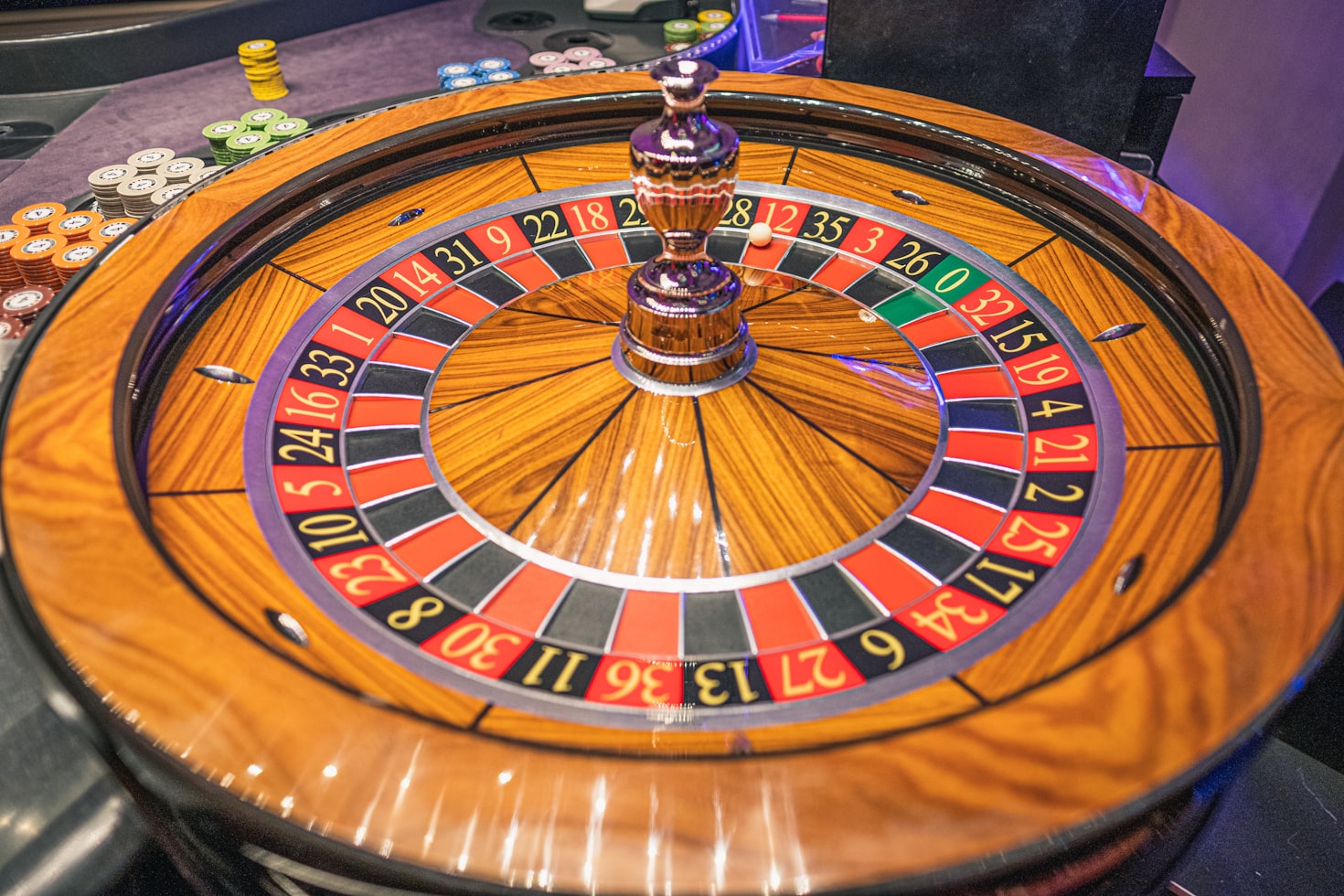
Furthermore, casinos often capitalize on the concept of luck in their marketing and game design. The ambiance created within casinos, from the jingles of winning slot machines to the vibrant lights flashing, aims to evoke feelings of excitement and anticipation. These elements reinforce the notion that luck is a factor that players can harness, regardless of the odds stacked against them. By recognizing this intersection of psychology and luck, players can gain insight into their own motivations and the strategies they employ at the tables.
Luck vs. Skill: Understanding the Balance
In the realm of casinos, the debate between luck and skill is a prominent topic. While certain games require specific skills and strategies—like poker—most traditional casino games rely heavily on luck. The balance between these two factors can significantly affect outcomes, and understanding this can help players strategize accordingly. For instance, a skilled poker player may navigate the nuances of bluffing and reading opponents, but luck can still determine the cards they are dealt.
In contrast, games such as slots and roulette lack skill-based elements, relying solely on luck to dictate outcomes. This distinction is essential for players to consider when choosing which games to pursue. Embracing the randomness of luck can lead to a more enjoyable experience, as players engage with the games they know will deliver unpredictable results. Hence, players must recognize the games where skill can be applied to maximize their chances of success, while also appreciating the sheer unpredictability of luck in other scenarios.
It’s important to remember that even in skill-based games, luck plays a role in the short term. A skillful poker player may lose to a less experienced player simply due to bad luck or the cards falling in favor of the inexperienced player. This serves as a reminder that while developing skills is beneficial, luck remains a powerful unpredictable force that can impact any game in a casino setting. Ultimately, understanding the interplay between luck and skill can empower players to make informed decisions about their gambling strategies.
The Role of Luck in Casino Marketing and Design
Casinos often leverage the concept of luck in their marketing strategies to attract players. By emphasizing the excitement of winning, they create an environment conducive to hope and anticipation. Promotional materials often highlight big winners and life-changing jackpots, all of which tap into the human fascination with luck. The idea that anyone could be the next big winner adds to the overall allure of a gambling establishment, encouraging visitors to imagine what it would be like to experience that fortune.
Furthermore, casino design plays a vital role in enhancing the perception of luck. Bright lights, lively sounds, and an energetic atmosphere are intentionally crafted to keep players engaged and elicit feelings of excitement. The design elements of a casino aim to create an immersive experience that reinforces the idea that luck is ever-present, waiting to be claimed. Layouts of games are often designed to keep players in a cycle of play, further perpetuating their belief in luck and their chances of success.
The idea of luck also extends to marketing campaigns that promote specific games based on their perceived odds of winning. Casinos may brand certain slots or table games as “lucky” to enhance player interest. This phenomenon illustrates how luck is not only a factor in the outcomes of games but also a central theme in the promotion of gambling experiences. By understanding how casinos use luck to their advantage, players can approach their gaming experiences with awareness of the psychological tactics at play.
Why Understanding Luck Matters for Players
For players, comprehending the role of luck in casino outcomes can significantly enhance their overall gambling experience. Acknowledging that luck plays a significant role can lead to more realistic expectations during play. Instead of focusing solely on winning, players who embrace luck can enjoy the thrill of the game itself, reducing stress and pressure associated with financial outcomes. This enjoyment is a key aspect of responsible gambling, allowing players to engage in the activity as mere entertainment rather than a means to an end.
Additionally, understanding luck can help players set boundaries and manage their bankrolls effectively. Recognizing that luck is a changeable component encourages players to approach their sessions with a mindset that prioritizes entertainment over profit. Players who understand the unpredictable nature of luck can establish limits on their time and money spent at the casino, lowering the risk of developing harmful gambling habits. This balanced approach ultimately leads to a more sustainable and enjoyable gambling experience.
In conclusion, embracing the concept of luck in casino outcomes fosters a healthier relationship with gambling. By managing expectations, remaining aware of psychological influences, and acknowledging the boundary between luck and skill, players can navigate the unpredictable waters of gambling with greater confidence. This understanding not only improves the player’s experience but also promotes a more responsible approach to casino gaming, ensuring that luck can remain a source of excitement rather than a determinant of one’s financial success.